
"My kettle is white inside. Should I worry?"
That is calcium carbonate, and it is the same thing you just watched come out of the pot.
Read about the residue
Independent water testing
We boil tap water dry on camera, because that demonstration is honest. Then we tell you what the residue actually is, and the much narrower thing a filter can change.
We buy what we test
No free units, no sponsored reviews, nothing supplied by a brand.
Every claim names its source
If we cannot cite the certifying body, we do not make the claim.
You see our money first
Any commission is disclosed above the recommendation, before the link.
The arithmetic
Set it to your own tap water, then boil it down. This is a diagram, not footage · it is the arithmetic that makes the pot look the way it does.
What you are actually looking at
Total dissolved solids is the sum of everything dissolved in your water: calcium, magnesium, sodium, bicarbonate, silica. Boiling drives off the water and concentrates all of it until it crystallises out as scale.
A high TDS reading does not mean your water is dirty, and a low one does not mean it is safe. TDS does not detect PFAS, lead, bacteria, or industrial chemicals at the concentrations that matter. Those are measured in parts per trillion. Your meter reads parts per million.
This matters because a whole category of water marketing depends on you not knowing it. The classic version is the electrolysis demo, where two electrodes are dropped in a glass and the water turns brown. That colour is the iron electrode corroding. It happens in clean water too.
We are telling you this because a demonstration you can debunk is worthless to everyone, including us.
Six ways people arrive here
These are the questions we actually get. The people are generated · they are here to stand in for you, not to tell you anything.
That is calcium carbonate, and it is the same thing you just watched come out of the pot.
Read about the residue
To chlorine and taste, probably. To this, no · carbon does not remove dissolved minerals.
See what filters remove
Yes, and it matters more. A meter cannot see what a well test looks for.
Check your supply
That is electrolysis. The brown is the iron electrode corroding. It does it in clean water too.
Read what it shows
No. PFAS is measured in parts per trillion. Nothing you can see in a pan reaches that.
See what filters remove
Here is the comparison, and here is exactly what we would earn if you bought one.
Compare systemsSo what removes it
Leaves TDS essentially unchanged
Carbon adsorbs chlorine, many volatile organics, and (when certified for it) lead and PFAS. Dissolved mineral ions pass straight through. Test before and after a carbon pitcher and the meter barely moves.
Boil the filtered water and you get the same pot.
Removes 90 to 99% of TDS
RO pushes water through a semi-permeable membrane that rejects dissolved ions along with the contaminants you actually care about. It is the only common household method, other than distillation, that changes the boil test.
This is the only category we cover, for that reason.
Certification is what separates a real contaminant claim from a story. Look for NSF/ANSI 58 for reverse osmosis, and 53 for specific contaminant reduction including total PFAS. Note that NSF P473 no longer exists as a standalone protocol · it was folded into 53 and 58, so a product still advertising "P473 certified" is quoting a retired standard.
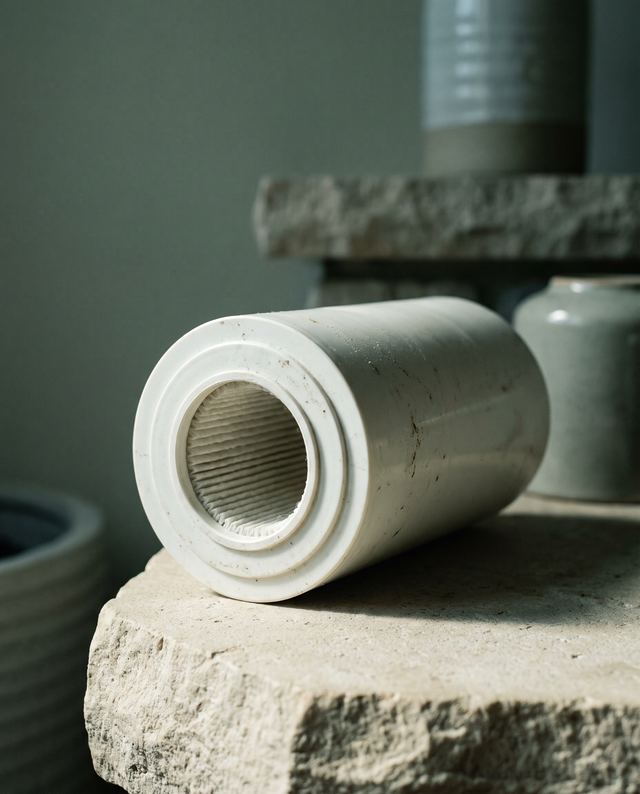
What measuring water actually looks like
Everything above this line you can see with your own eyes in your own kitchen. What actually matters is measured somewhere else, by people with equipment, against methods that are published. These are photographs of that, not illustrations of it.
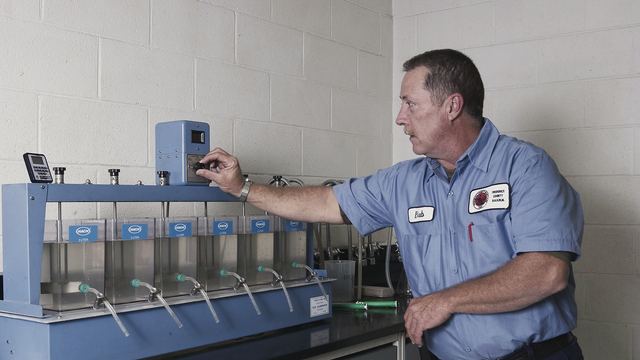
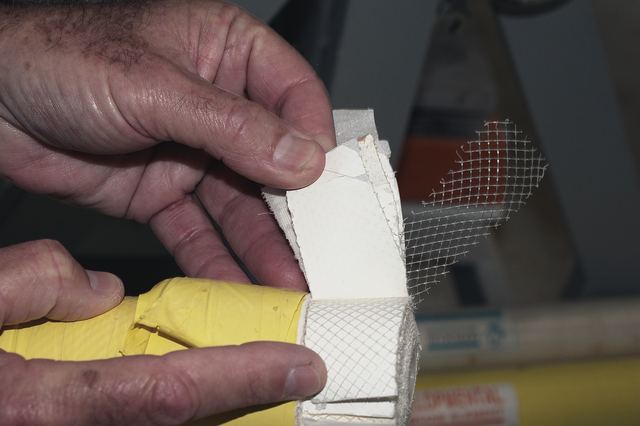
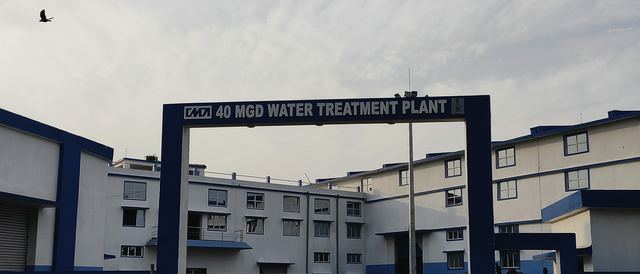
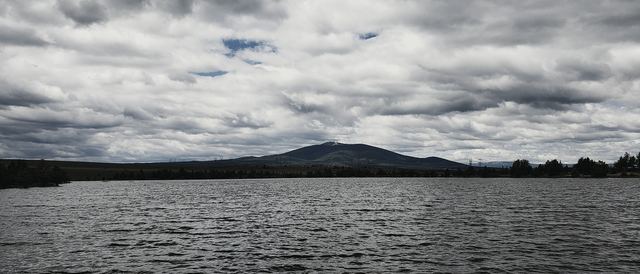
None of this is something a filter company can sell you, which is why you rarely see it in one of their photographs.
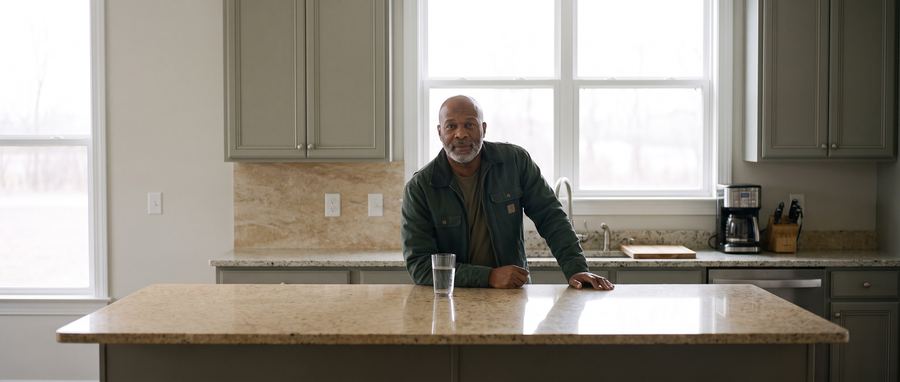
Check your own supply
Nobody selling a filter knows what comes out of your tap. Your utility does, it is required to publish it every year, and the report is free. Put in your ZIP and we will take you straight to the documents.
On a private well, none of these apply to you. A well is not covered by the Safe Drinking Water Act and only a lab test tells you anything.
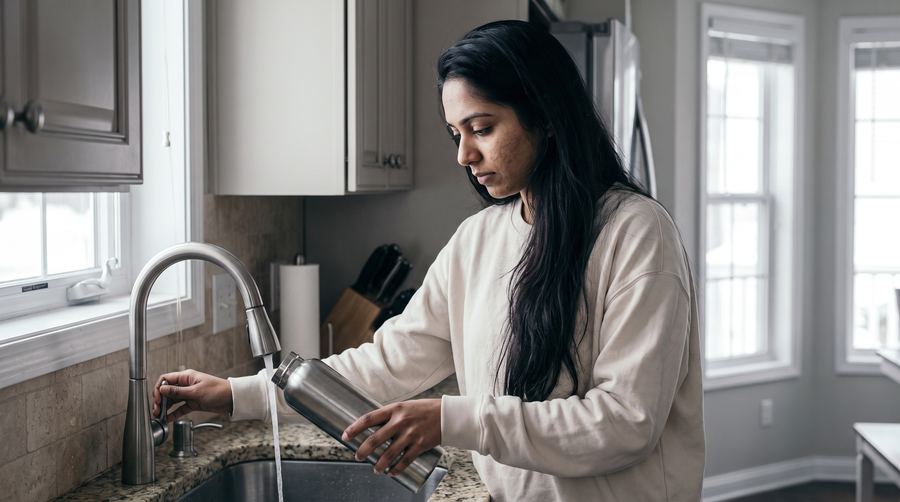
The category
Five countertop reverse osmosis systems, what each costs, what vessel it uses, and what certification its seller claims. Prices carry the date we captured them, because two of them moved five per cent in two days while being shown as a discount.
On money, before you click anything
We do not currently earn a commission on any link on this page. We have applied to affiliate programmes in this category and expect to be accepted. The moment that happens, this notice will say so, in this position, before you click. It will never move to the footer.
Reviews, and what we noticed in them
These are reviews of the units, published on the sellers' own sites. They are not reviews of us. We have quoted them exactly as written, typos and all, and we have put the average and the count beside every one, because an excerpt without its average is a magic trick.
4.91 average · 145 reviews · Judge.me on bluevua.com · captured
Lisa Wolfe · 07/27/2026 · verified purchaseI absolutely love my Ropot Lite. I've been buying bottled water after the township sent a letter stating there's nitrates in the water. I also live in an older apartment. I will be saving so much money and using less plastic. Set up was extremely simple and customer service was helpful when I had a shipping issue with Fed Ex. I am very happy with my purchase and would definitely recommend.
Nisean Mack · 07/21/2026 · verified purchaseUsed this model every day since I bought it. It was so easy to set up and I can’t wait to try it for infusing. You can definitely taste the difference with the mineralization filter, well worth the switch from cheap pitcher filters that made the water taste metallic!
4.9 average · 1,175 reviews · Yotpo on aquatruwater.com · captured
Tara V. · 30/07/26 · verified purchaseThis has been a great purchase for my family. The water tastes great and I love how we have reduced our use of plastic. The instructions are clear, so initial assembly and use were straightforward. I highly recommend!
Darlene T. · 30/07/26 · verified purchaseI have the larger unit in FL and probably should have ordered it. This carafe does not store enough water for us.
Deborah · 22/07/26 · verified purchaseNot happy with this purchase. These filters are a nightmare. Brand new device rejected two sets of filters. All done.
4.91 average · 290 reviews · Judge.me on bluevua.com · captured
Anonymous · 07/21/2026 · verified purchaseWe were shocked at how bad our tap water is seeing the numbers when we first ran a cycle. The water after being filtered tastes pure with no weird taste like our refrigerator filtered water. It filters fairly quickly. We bought a glass pitcher to cool the water in the refrigerator. Our only complaints are the waste water, some dripping issue & the giant size of the machine. We can deal with that knowing we are getting clean water.
Norma Reyes · 07/28/2026 · verified purchaseI’m delighted with my ROPOT, it is difficult to describe the taste of the filtered water. How does one start to capture the crystal crispness taste of water, you just know it is pure!
Check our work
It costs nothing and it takes one pot. Two litres of tap water, reduced to dryness, and whatever is left is what was dissolved in it. If our arithmetic is wrong, this is how you catch us.
How to run it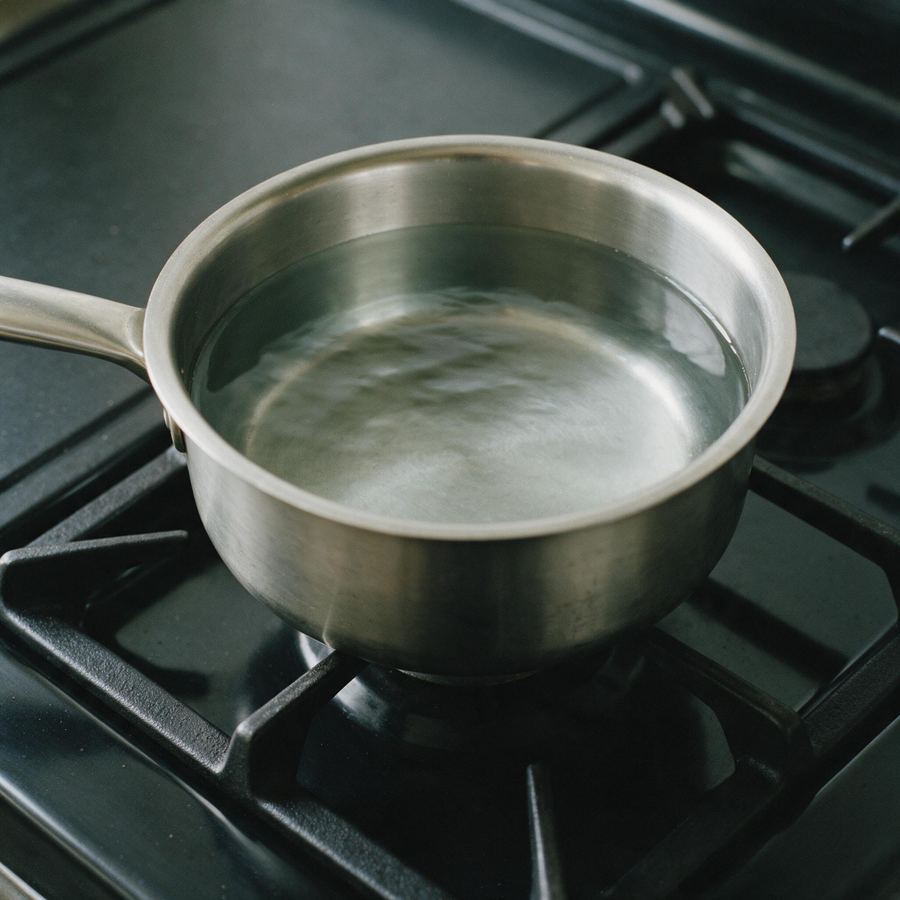
The part nobody puts on a page

We earn nothing on any link here. We have applied to affiliate programmes in this category and expect to be accepted. The day that changes, this section changes with it and the notice above the table changes with it.
The disclosure sits above the recommendation in body text, at the point of recommendation. Not a footer. Not a hover.
We will not take payment for placement in the table. We will not review a unit a brand sent us for free. We will not bid on another company's brand name.
Disclosure
The photographs of people here were made with an image model. Nobody in them is a customer, a reviewer, or a member of staff, and none of them is telling you anything · they stand in for the reader. Every one carries a label.
What will never be generated: the boil test itself. No AI image or video on this site will ever show residue, scale, a dried pan, or a before and after. When we show a result, it is footage of a real pot, labelled real footage, and you can run the same test yourself and check us. That is the whole business.
Questions, answered plainly
Mostly it is calcium and magnesium carbonate · hardness minerals. They are not a contaminant and some bottled waters advertise them. What a boil test cannot show you is the class of things that actually matter at trace levels.
Depends what you bought and what you want changed. Carbon changes taste, chlorine and, when certified for it, specific contaminants. It does not change dissolved minerals. Reverse osmosis changes both.
No, and a low one does not mean it is safe. TDS is a sum of dissolved solids in parts per million. Lead and PFAS matter at parts per billion and trillion.
Because it is the only common household method, other than distillation, that changes the result of a boil test. Running this demonstration on a carbon filter would be dishonest.
That is electrolysis. Two electrodes in a glass, and the iron one corrodes. It happens in distilled water with a pinch of salt. It shows you nothing about contamination.
No. We are a publisher. We do not stock, ship, warranty or take payment for anything.
Your utility publishes it every year and it is free. Start at #your-water. On a well, only a certified lab test tells you anything.
Same pan, same volume, tap against reverse osmosis, timelapsed, with meter readings on camera. Real footage · we do not simulate demonstrations. Leave an email and we will send it once, when it is done.